Trinity Evangelical Christian University & Seminary
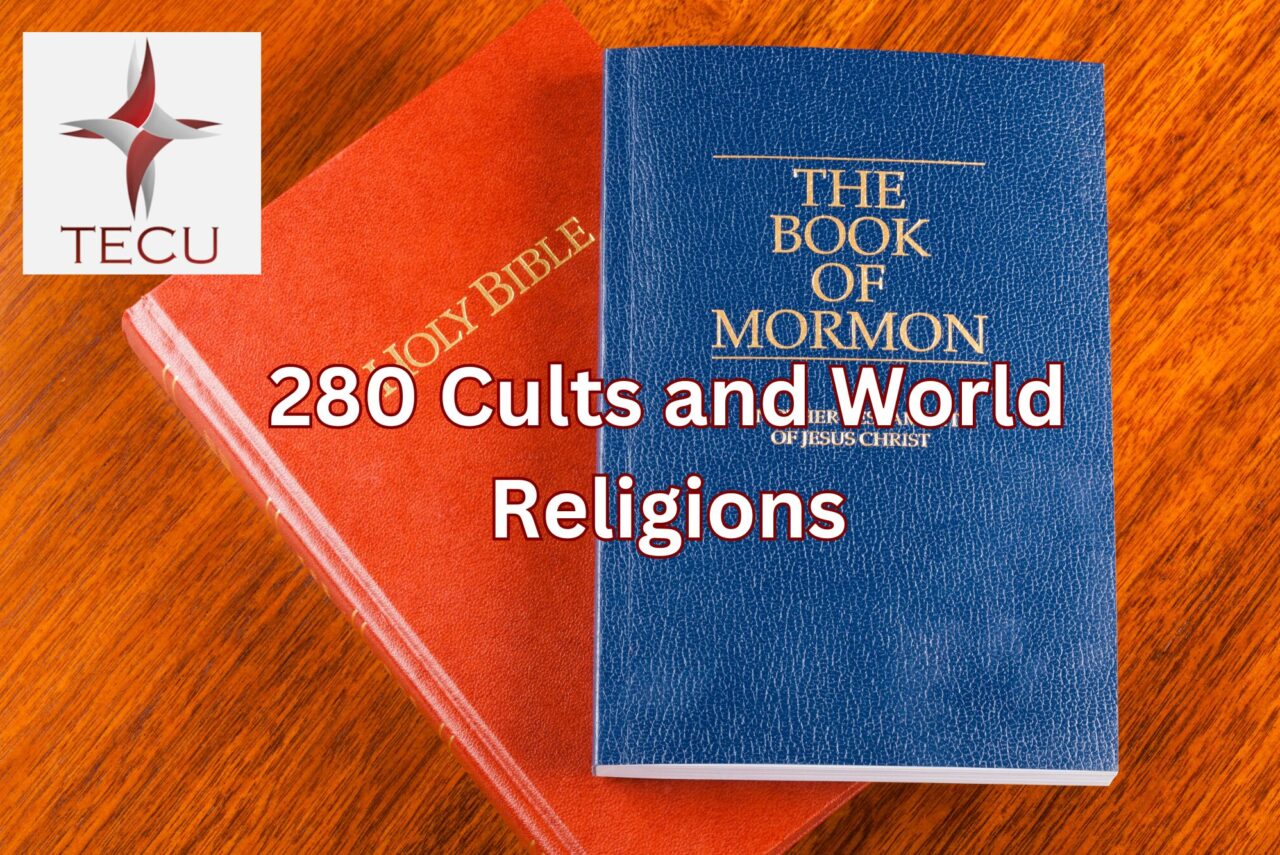
U280 Cults and World Religions

Instructor
Rev. Dr. Thomas Thorstad
Reviews

Instructor
Rev.Dr.Conley Sistrunk
Reviews
Course Overview
U280: Cults and World Religions is a comprehensive, interdisciplinary exploration of the global religious landscape, ranging from ancient traditions to contemporary movements. This course challenges students to move beyond sensationalist headlines to analyze the historical development, core beliefs, and social dynamics of diverse faith systems. By blending rigorous textual study with “lived religion”—the practical, daily experience of believers—students will develop the critical tools necessary to distinguish between “world religions” and “new religious movements.” Through case studies, hermeneutics labs, and site analyses, the course equips students to navigate pluralistic societies with intellectual nuance and ethical empathy.
Brief Course Outline
- Section 1: Foundations | Methods of comparative study, critical vs. empathetic reading, and navigating bias.
- Section 2: Judaism | Covenant, Torah/Talmud interpretation, and the diversity of modern movements.
- Section 3: Islam | Qur’anic revelation, Sharia/Fiqh (law), and the global ummah.
- Section 4: Hinduism & Buddhism | Moksha vs. Nirvana, karma, dharma, and the logic of meditation/ritual.
- Section 5: Catholicism & Greek Orthodoxy | Apostolic authority, sacraments vs. mysteries, and the Great Schism.
- Section 6: American NRMs | Mormonism, Jehovah’s Witnesses, and the New Apostolic Reformation.
- Section 7: New Thought & Unity | Metaphysical religion, healing claims, and the “law of mind action.”
- Section 8: Wicca & Neo-Paganism | Modern revivals, the Wheel of the Year, and nature-based mysticism.
- Section 9: Asian Christian Movements | Indigenization, high-control environments, and state responses (e.g., Shincheonji).
- Section 10: African & Pacific Movements | Prophetic authority, healing, and resistance to colonial structures.
This course will have videos, reading, quizzes, and assignments to complete for credit.
Course Content
- Welcome to TECU Course
- Introduction
-
Foundations: Methods, Lenses, and the Bible in Comparative Study
-
Introduction: Bible Study Tools and Techniques
-
Why Should Christians Study other Religions?
-
Approaching Sacred Texts: Critical and Empathetic Reading
-
Comparative Methodologies: Mapping Similarities and Differences
-
Lenses and Frameworks: Theories that Guide Interpretation
-
Navigating Bias and Building Dialogue
-
Quiz - Foundations, Methods, Lenses, and the Bible - U280
-
-
Judaism: Covenant, Text, and Peoplehood
-
Introduction to Judaism
-
Covenant: Foundations of Jewish Identity and Law
-
Texts and Interpretation: Torah, Talmud, and the Art of Reading
-
Understanding The Oral Torah (or Oral Law Talmud)
-
Time and Practice: Rituals, Festivals, and the Synagogue
-
Streams of Judaism: Diversity in Law and Belief
-
Orthodox, Conservative, Reform
-
Peoplehood and Place: Diaspora, Zionism, and Global Identity
-
Ideas and Movements: Ethics, Mysticism, and Inclusion
-
Judaism as a World Religion: Misconceptions and Responsible Comparisons
-
Quiz - Judaism - u280
-
-
Islam: Revelation, Law, and Community
-
Introduction to Islam
-
The Qur’anic Revelation: Foundations of Islamic Belief and Identity
-
The Emergence of Law: Sharia, Fiqh, and the Formation of Islamic Jurisprudence
-
Institutions and Authority: School, Sect, and the Ummah
-
Ritual, Ethics, and Everyday Practice: Weaving Belief into Life
-
Contemporary Challenges and Pluralism: Law, Reform, and Community in the Modern World
-
Conclusion - Islam Section
-
Quiz - Islam - u280
-
-
Hinduism and Buddhism: Paths, Practices, and Philosophies
-
Introduction Section
-
Paths to Liberation: Comparing Moksha and Nirvana
-
The understanding soul in Hinduism and Buddhism
-
Karma, Dharma, and Ethics: The Moral Engines
-
Sacred Practices: Ritual, Meditation, and Devotion
-
Text, Authority, and Diversity: Canons Without Creeds
-
Schools, Movements, and Modern Transformations
-
Comprehensive Breakdown of the Three Major Buddhist Branches
-
Ritual, Philosophy, and Lived Experience: Integrating Worlds
-
Section Conclusion
-
Quiz - Hinduism and Buddhism - U280
-
-
Catholicism & Orthodoxy
-
Section 5 Introduction
-
Apostolic Succession & Authority: Papacy vs. Conciliarity
-
Sacraments and Mysteries: Paths of Divine Encounter
-
Tradition and Scripture: Inheritance and Interpretation
-
Liturgy and Ritual Expression: Worship as Theology
-
Unity and Division: The Great Schism, Today’s Churches, and Dialogue
-
Sainthood, Theosis, and Justification: Different Visions of Salvation
-
Section Conclusion
-
Quiz - Catholicism & Orthodoxy - U280
-
-
American Cults and New Religious Movements
-
Section Introduction
-
The American Landscape of New Religious Movements
-
Origins and Spread: Mormonism, Jehovah’s Witnesses, and New Apostolic Reformation
-
Authority and Revelation: Who Speaks for God?
-
Beliefs and Practices: Comparing Doctrinal Innovations
-
Evaluating Labels: 'Cult,' 'New Religious Movement,' and Ethical Scholarship
-
Social, and Pastoral Controversies: Conversion, Proselytizing, and Exit
-
Quiz - American Cults and New Religious Movements - U280
-
-
New Thought and Unity: Mind, Metaphysics, and Healing
-
Section Introduction
-
The Birth of New Thought: Roots in Mind and Healing
-
Unity’s Distinctives: Mind, Metaphysics, and Prayer
-
Metaphysical Bible Interpretation: Reimagining Scripture
-
Mechanisms and Methods: Affirmations, Visualization, and Community Prayer
-
Controversies and Critique: Healing Claims, Ethics, and ‘Cult’ Debates
-
From Spiritual Marketplace to Wellness Culture: Legacy and Influence
-
Engaging with Primary Sources and Modern Unity: Analytical Practice
-
Section Conclusion
-
-
Wicca, Neo-Paganism, and Mysticism
-
Introduction Section
-
Origins and Revivals: How Modern Paganism Emerged
-
The Sacred Year: Symbols, Deities, and the Wheel of the Year
-
Magic and Mysticism: Ritual Practice, Intention, and Altered States
-
Ethics and Community: The Wiccan Rede and Pagan Morality
-
Section Conclusion
-
Quiz - Wicca, Neo-Paganism, and Mysticism - U280
-
-
Asian Christian Cults and Movements
-
Introduction Section
-
Indigenization: Christianity Reimagined in Asian Contexts
-
Case Studies: Key Asian Christian Movements and Their DNA
-
Cult Labeling, Media, and State Responses
-
Doctrine, Authority, and High-Control Environments
-
Conversion, Retention, and Community Ties
-
Ethical Engagement, Prevention, and Recovery
-
Section Conclusion
-
Quiz - Asian Christian Cults and Movements - U280
-
-
African and Pacific Island Christian Cults and Movements
-
Introduction Section
-
Prophesy and Prophetic Authority in Indigenous Christian Movements
-
Healing, Spiritual Power, and the Construction of Sacred Space
-
Ancestral Narratives and Reimagining Christian Identity
-
Movements of Resistance: Christianity as Protest and Social Transformation
-
Section Conclusion
-
Quiz - African and Pacific Christian Cults - U280
-
- Conclusion